|
|
|
|
 |
|
If treatment isn't enough, cardiac rehabilitation allows patients to recover from heart problems or heart surgery, helps them heal faster, and reduces their risk for future cardiac problems.
|
|
 |
|
| |
| |
Diagnosing and Treating Heart Disease |
 |
 |
|
 |
| A heart disease treatment plan should be tailored to your specific condition, its severity and causes, and your current health and lifestyle. This may include more than a procedure. It may also mean making lifestyle changes and taking medications. The best thing to do is maintain open communication with your doctor about your risks and what is right for you. The following are procedures used to diagnose and treat heart disease. |
|
- Exercise stress tests measure symptoms, blood pressure, and EKG (electrocardiogram) during exercise.
- Imaging procedures provide still or moving pictures through X-ray, fluoroscopy, MRI, or CT scans.
- Electrophysiology studies, or echocardiograms, examine heart rhythm disturbances using electrodes positioned over the patient's heart.
- Ultrasound, like an echocardiogram, uses sound waves to produce images of your heart.
- Cardiac catheterization diagnoses and/or treats an obstruction. An angiogram introduces dye through a catheter to observe the heart's blood vessel flow by X-ray; a balloon angioplasty procedure uses a tiny balloon-tipped catheter to help unclog blockages.
- Surgical procedures can bypass clogged arteries, replace valves, insert pacemakers, and defibrillators or replace the entire heart.
|
|
 |
| Cardiac Rehabilitation |
|
|
Cardiac rehab is a medically supervised program to help heart patients recover quickly and improve their overall physical and mental functioning. The goal is to reduce the risk of another cardiac event or to keep an already present heart condition from getting worse. The benefits of participating in a cardiac rehab program are:
|
|
- Faster recovery
- Improved fitness
- Decreased symptoms
- Reduced fear and anxiety
- Improved confidence
- Lifelong changes are made
- Reduced risk of further heart problems
- Reduced risk of death
|
|
| |
|
| The services that cardiac rehabilitation might include are supervised exercise sessions and education about risk factors of heart disease, signs and symptoms of heart disease, and ways you can prevent another cardiac event. Most importantly, cardiac rehab will provide the social and emotional support you will need to adjust to your condition and make lifelong lifestyle changes to reduce your risk factors for further heart problems. |
|
| |
|
| Physical Activity Guidelines for People with Heart Disease |
|
|
|
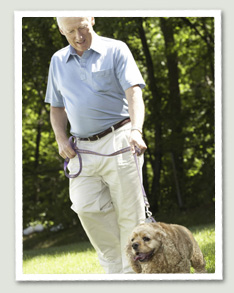
Physical activity is an important part of managing heart disease or recovering from heart surgery. But there are a few things to keep in mind to make sure you are both active and safe.
 Discuss the following with your doctor Discuss the following with your doctor
- Medication changes. New medications can greatly affect your response to exercise; your doctor can tell you if your normal exercise routine is still safe.
- Heavy lifting. Lifting or pushing heavy objects and chores such as raking, shoveling, mowing, or scrubbing may be off limits for you. Chores around the house can be tiring for some people; make sure you only do what you are able to do without getting tired.
- Safe exercises. Get the doctor's approval before you lift weights, use a weight machine, jog, or swim.
General Workout Tips for Those With Heart Disease
- Be sure any exercise is paced and balanced with rest.
- Ask your doctor about avoiding isometric exercises. Isometric exercises involve pushing or pulling against an immovable object.
- Don't exercise outdoors when it is too cold, hot, or humid. High humidity may cause you to tire more quickly; extreme temperatures can interfere with circulation, make breathing difficult, and cause chest pain. Better choices are indoor activities such as mall walking.
- Make sure you stay hydrated. It is important to drink water even before you feel thirsty, especially on hot days.
- Avoid extremely hot and cold showers or sauna baths after exercise. These extreme temperatures increase the workload on the heart.
- Steer clear of exercise in hilly areas. If you must walk in steep areas, make sure to slow down when going uphill to avoid working too hard. Monitor your heart rate closely.
- If your exercise program has been interrupted for a few days (for example, due to illness, vacation, or bad weather), make sure to ease back into the routine. Start with a reduced level of activity, and gradually increase it until you are back where you started.
Exercise Precautions
There are many precautions to keep in mind when developing an exercise program for yourself or a loved one with heart disease.
- Stop the exercise if you become overly fatigued or short of breath; discuss the symptoms with a doctor or schedule an appointment for evaluation.
- Do not exercise if you are not feeling well or have a fever. Heart patients should wait a few days after all symptoms disappear before restarting the exercise program, unless their doctor gives other directions.
- Stop the activity if you develop a rapid or irregular heartbeat or have heart palpitations. Check your pulse after you have rested for 15 minutes. If it's still above 100-120 beats per minute, call the doctor for further instructions.
*If you experience pain don't ignore it. If you have chest pain or pain anywhere else in the body, do not allow the activity to continue. Performing an activity while in pain may cause stress or damage to the joints.
Stop exercising if you:
- Feel weak.
- Are dizzy or lightheaded.
- Have unexplained weight gain or swelling (call the doctor right away).
- Have pressure or pain in the chest, neck, arm, jaw, or shoulder.
- Have any other symptoms that cause concern.
Call the doctor if symptoms do not go away.
*Information adapted from WebMD
|
|
|
|
|
|
| |
|
|
|